
Description
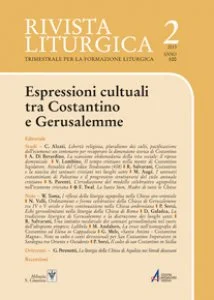
La creazione dello spazio del complesso del Santo Sepolcro a Gerusalemme in epoca costantiniana avviene contestualmente allo sviluppo e alla definizione delle liturgie, a partire dal riconoscimento della libertà di culto ai cristiani. L’individuazione del luogo di edificazione dell’insieme memoriale si deve alla continuità della tradizione locale, che avrebbe mantenuto la memoria del toponimo Golgota e la localizzazione del racconto evangelico della passione, morte e risurrezione di Gesù Cristo nel medesimo sito. Su questa base, secondo la testimonianza di Eusebio, fu il vescovo Macario a esercitare un ruolo centrale nella progettazione dell’area e nella definizione dei suoi elementi: la basilica a pianta semicircolare dell’Anastasis per racchiudere la tomba, la roccia scoperta del patibolo, la grande basilica a cinque navate per la riunione dell’assemblea e per le celebrazioni. A Costantino si ascrive il ruolo di fautore di una centralità sacrale di Gerusalemme rispetto all’Impero e all’ecumene cristiana.
In the Constantinian age, the creation of the space where is the complex of the Holy Sepulchre takes place together with the development and definition of the Christian liturgies, beginning with the worship’s freedom that was given to Christianity. The identifying of the location where the great Memorial has been erected is due to the continuity of the local traditions, that should have kept the memory of the place name Golgota and its location according to the Gospel tale about passion, death and resurrection of Jesus Christ in the same site. On this base, following the witness of Eusebius, it was the bishop Macarius who played a central role designing the building area and defining its elements: the Anastasis chapel, with its semicircular shape in order to include the Sepulchre; the exposed rock of the scaffold; the great basilica with its five naves for gathering the Christian congregation and for the celebrations. We owe to Constantine the role of a promoter who supported the sacred centrality of Jerusalem as regards to the empire and the Christian Ecumene.



Reviews
There are no reviews yet.